  Teteriv is a community with a history of over 120 years, which today is being attempted to be erased.
  Its past was shaped in parallel with the history of the village of Piskivka (Borodianka district, Kyiv region) since 1902 — the time when the railway station appeared, around which an entire community of railway workers, laborers, and their families grew.
  Despite the fact that, within administrative boundaries, Teteriv is now officially part of Piskivka, it has its own historical heritage, a distinct identity, and a unique path of development.
  Today, this history is being diminished or presented as "part of someone else’s," but residents and those who care know well: Teteriv is an authentic community with a rich past that must be preserved.
How did the settlement of Teteriv appear?
bird → river → bridge → railway → station → settlement
Note: This chain of events relates specifically to the origin of the name "Teteriv", but is not the root cause of the appearance of the settlement itself. The station settlement of Teteriv was formed later, as a station-adjacent one, that is, as a derivative of the functioning of the already built station and its location
It all began with the Teteriv River. There are several versions of the origin of its name, but the simplest and most logical is associated with the bird - the black grouse. In ancient times, there were many of these birds in the Polissian forests along the river, and it is likely that the river got its name from them.
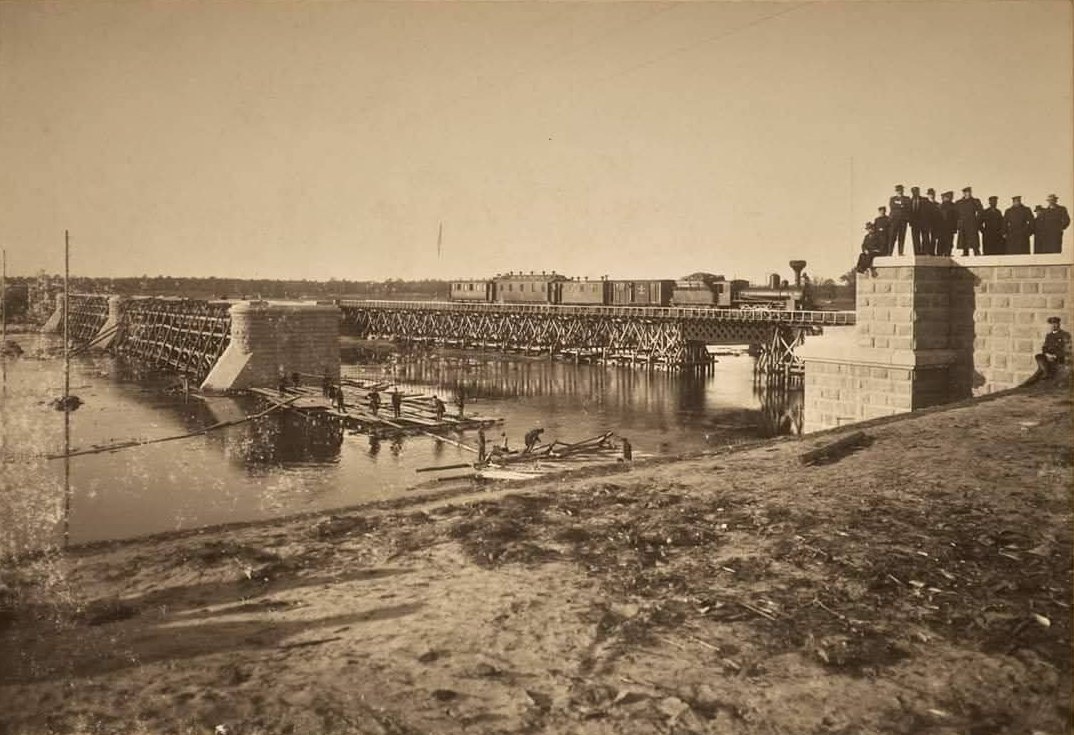
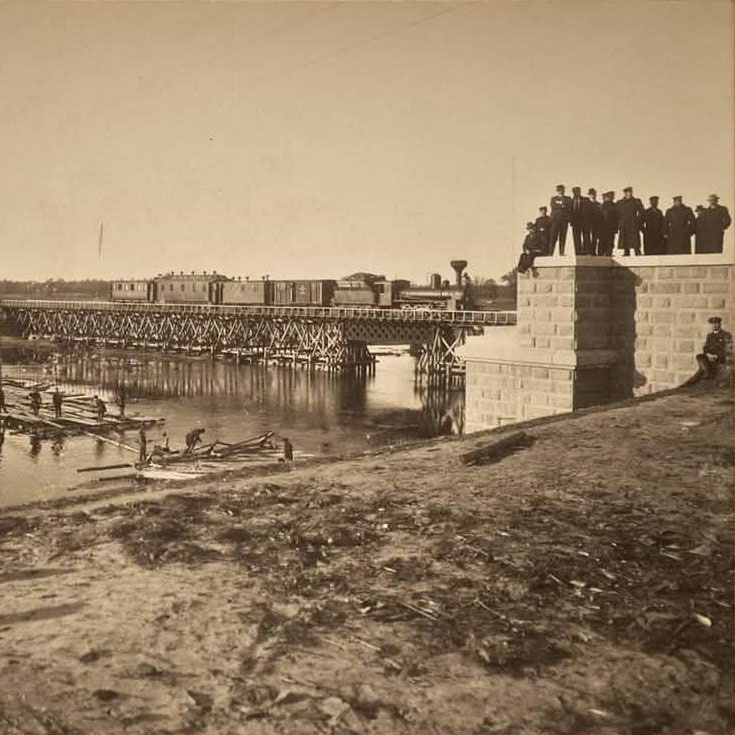
Next in this story appears not the station, as is often thought, but a bridge over the Teteriv River. The river at this location was quite wide. Even in photographs from the early 20th century, taken during construction, it can be seen that its channel had a considerable width.
It was precisely the construction of the bridge that determined the route of the South-Western Railway mainline on the Kyiv-Kovel line. Engineers chose the crossing point over the river taking into account the valley relief and geological conditions.
That is, first the engineers determined the place for the construction of the bridge, and only after that did the question of building a station arise.
And here begins the next stage of the story. When choosing a location for the station, existing settlements were practically not taken into account. Even if there had been none nearby, the station would still have been built exactly here. The reasons were purely technical and economic.
Firstly, a large flat area was needed before the bridge. This is where the railway station and depot were placed. Here, trains were inspected before crossing the bridge, stopped in case of technical problems, and oncoming trains were allowed to pass, since initially the bridge was single-track.
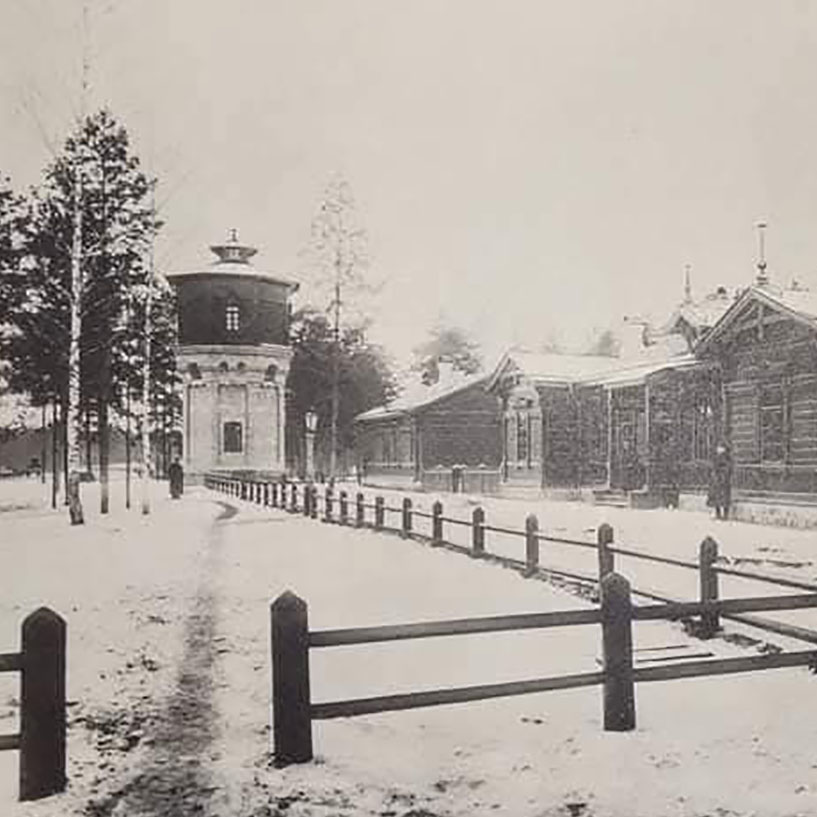
Secondly, at that time all trains were steam-powered, which meant they required a lot of water. A water tower was built near the station, which was filled from the Teteriv River. This water was used both for the steam locomotives and for the technical needs of the station and the settlement.
Thirdly, the forest economy of Polissia played an important role. In this area, particularly near the village of Rudnia Piskivska, there were large forest lands owned by Countess Maria Branitska. Timber was floated down the river, and near the station it was convenient to load it onto the railway.
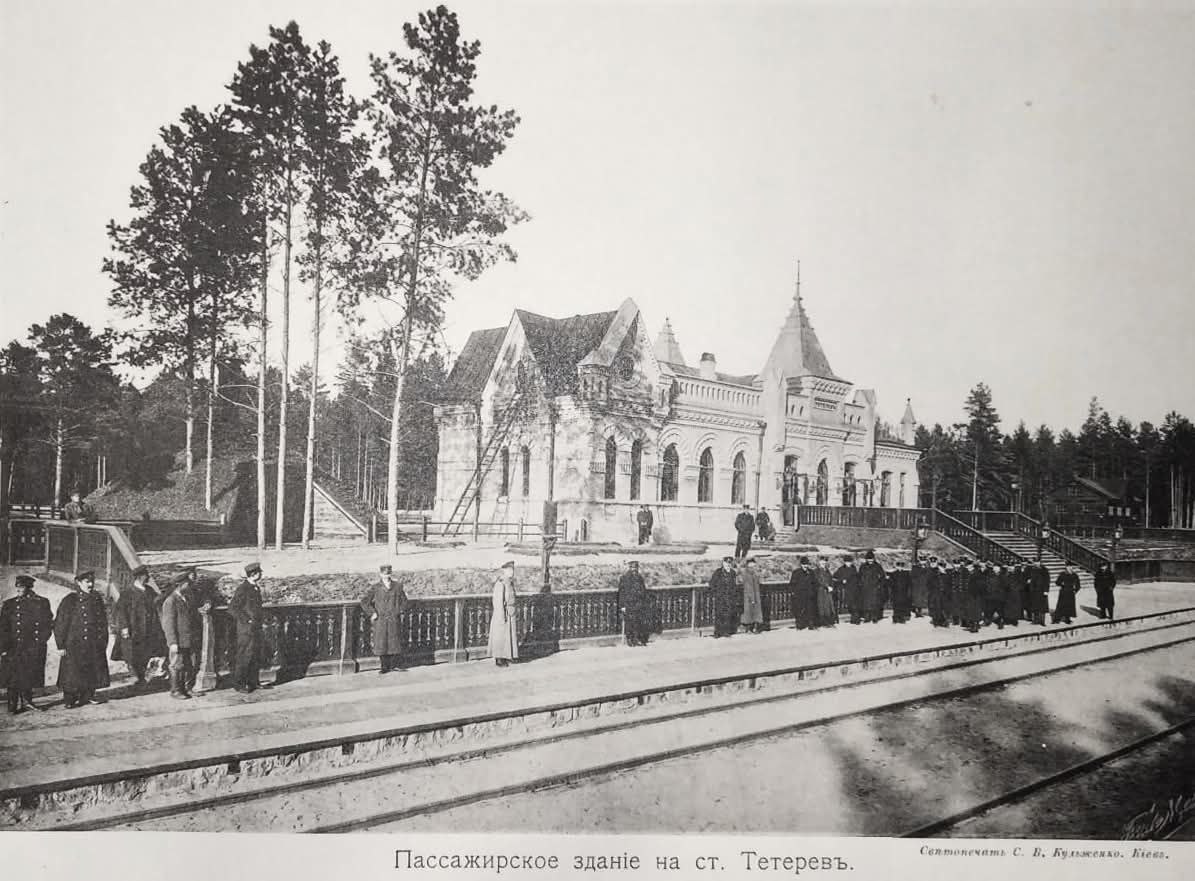
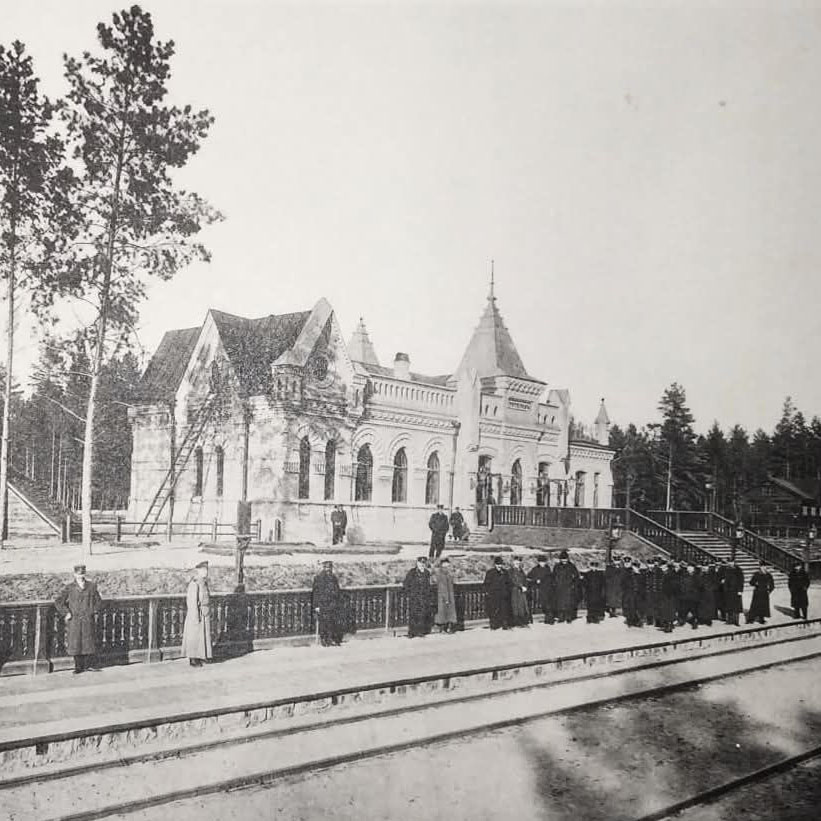
This is how the Teteriv station appeared at this point, named after the Teteriv River, which is crossed here by one of the main lines of the South-Western Railway.
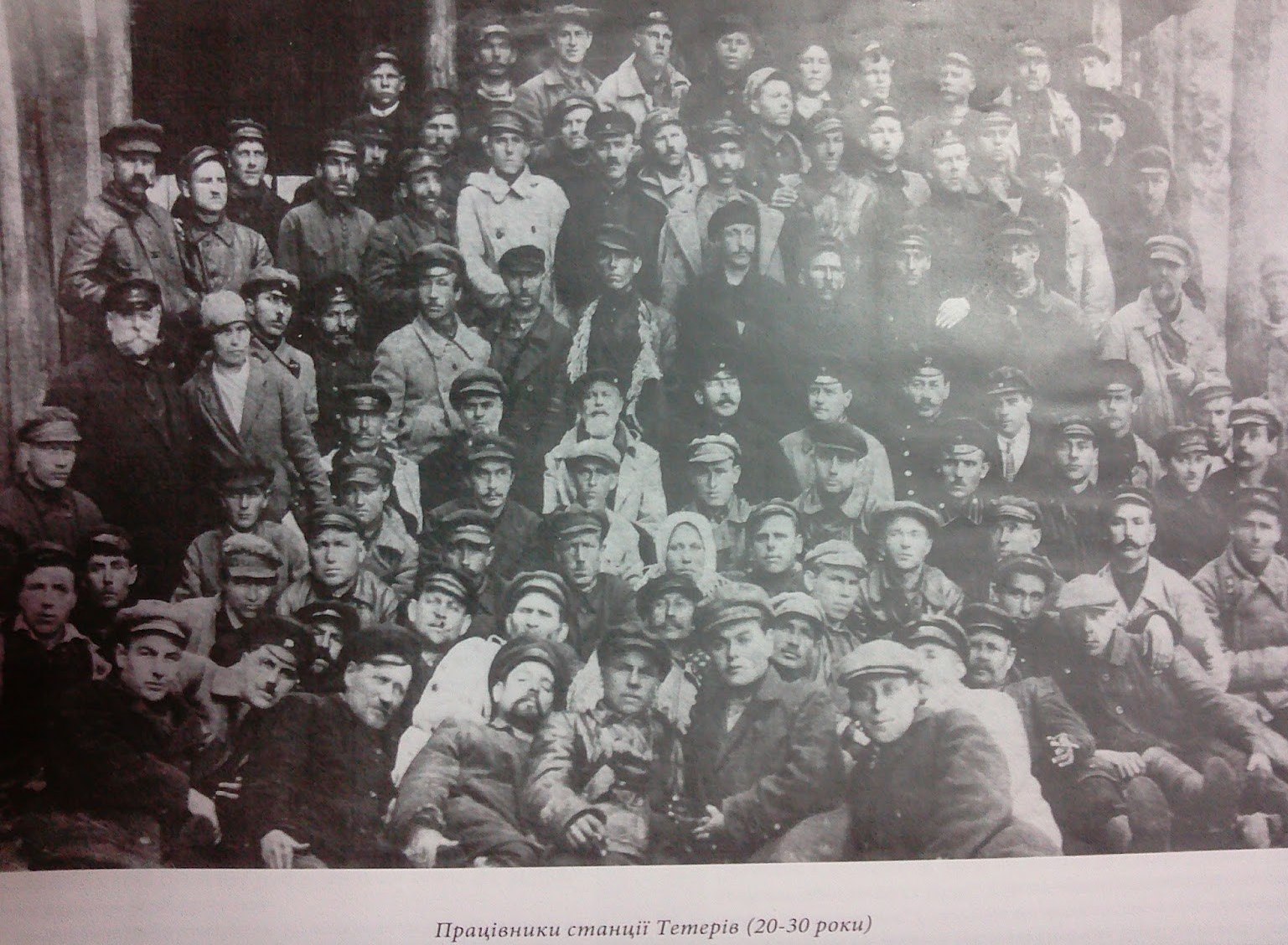
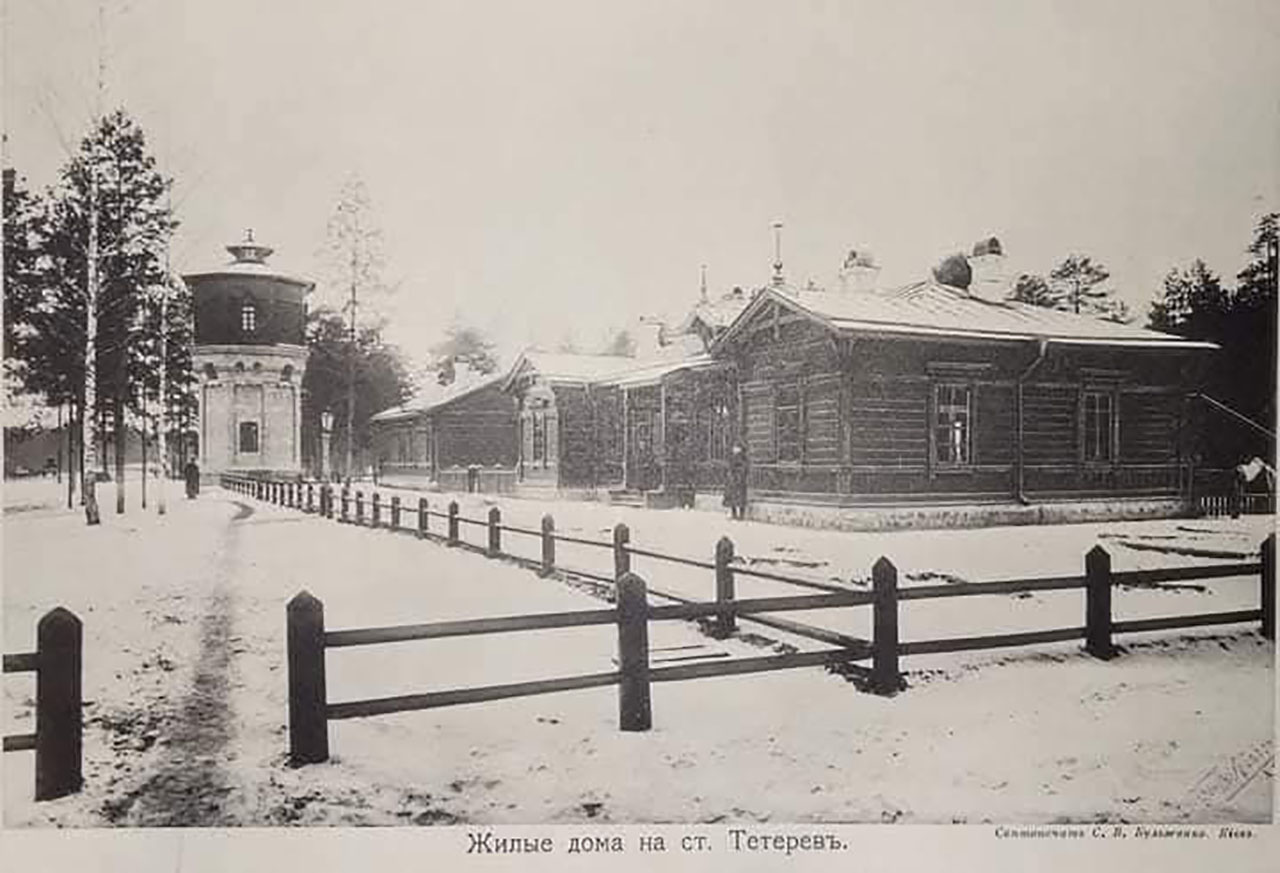
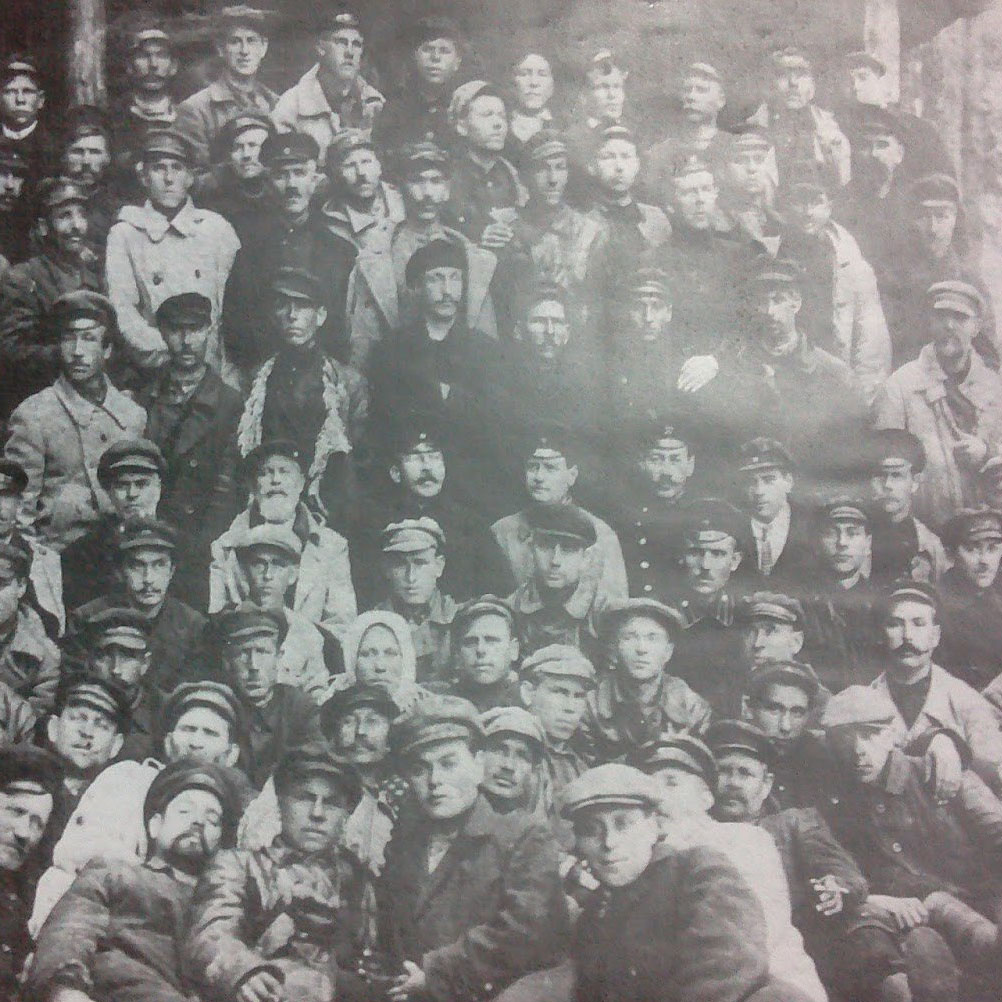
But the station could not exist without people. Its operation required many workers - drivers, repairmen, loaders, and duty officers. Therefore, a station settlement quickly emerged nearby.
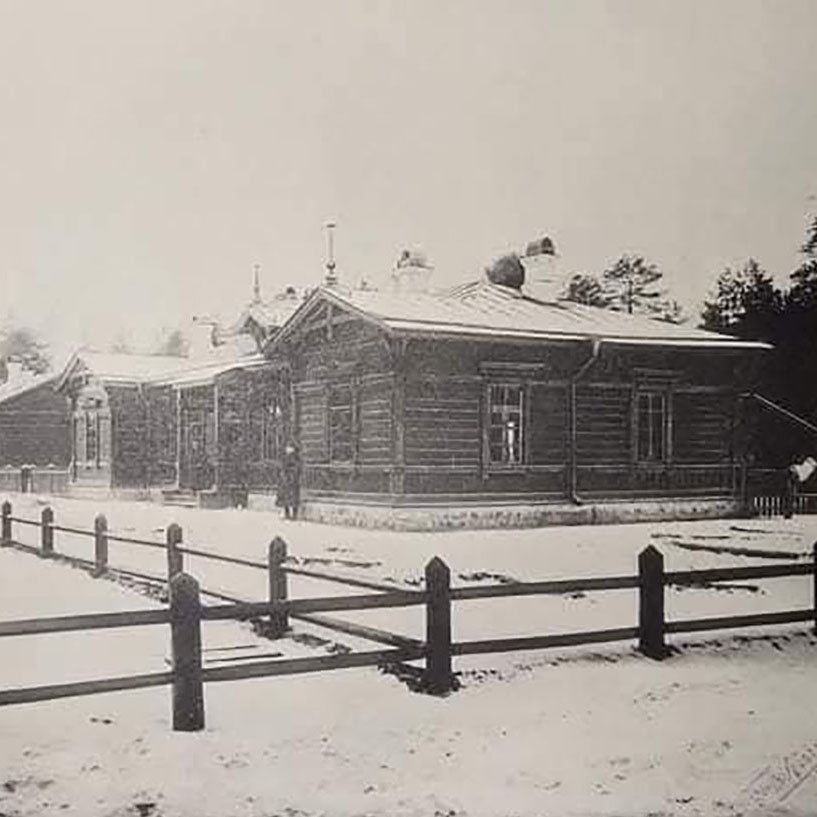
Over time, small shops and inns appeared near the station, as passengers spent some time here while trains were being serviced. The station settlement gradually came to life: people worked, married locals, had children, and lived their lives. All these events - births, marriages, and deaths - were officially registered in the civil registry office (RACS) of the village of Piskivka, as for other villages and hamlets in the area. The village of Piskivka itself was located about 5 km from the Teteriv railway station and at that time served an administrative role for this area.
With the further growth of the settlement at Teteriv station, the following appeared:
• school
• outpatient clinic
• church
• even a concrete plant at the station (which existed until the First World War).
In the documents of the Piskivka village civil registry office, it was recorded as st. Teteriv, meaning a settlement at the railway station.
After the establishment of Soviet power and the formation of the Ukrainian Soviet Socialist Republic, a large-scale administrative-territorial reform began.In 1938, it also affected this area: the villages of Piskivka, Rudnia Piskivska, and the settlement at Teteriv station were merged into a single locality - the urban-type settlement of Piskivka.
Thus, a simple conclusion can be drawn:
• the name of the settlement Teteriv originates from the Teteriv railway station
• the name of the Teteriv railway station comes from the Teteriv River
• and the name of the river most likely comes from the black grouse, which once was very abundant in the Polissian forests.
And what contribution did the Piskivka community of that time make to this history? Essentially, it provided the civil registry office (RACS) services for the entire district. At the same time, the community willingly benefited from all the economic and social opportunities that the emergence of the railway station and the new settlement brought to this region.
This is the story - how a settlement was born from a river, a bridge, and a railway.
In photograph 1, we see the construction of the railway bridge over the Teteriv River. The part of the bridge where the train is located is a temporary structure that had already been in operation since 1901, when the Kyiv-Malyn railway line began functioning. The other part of the bridge is a permanent structure - in the photo, it is visible that its supports are still under construction.
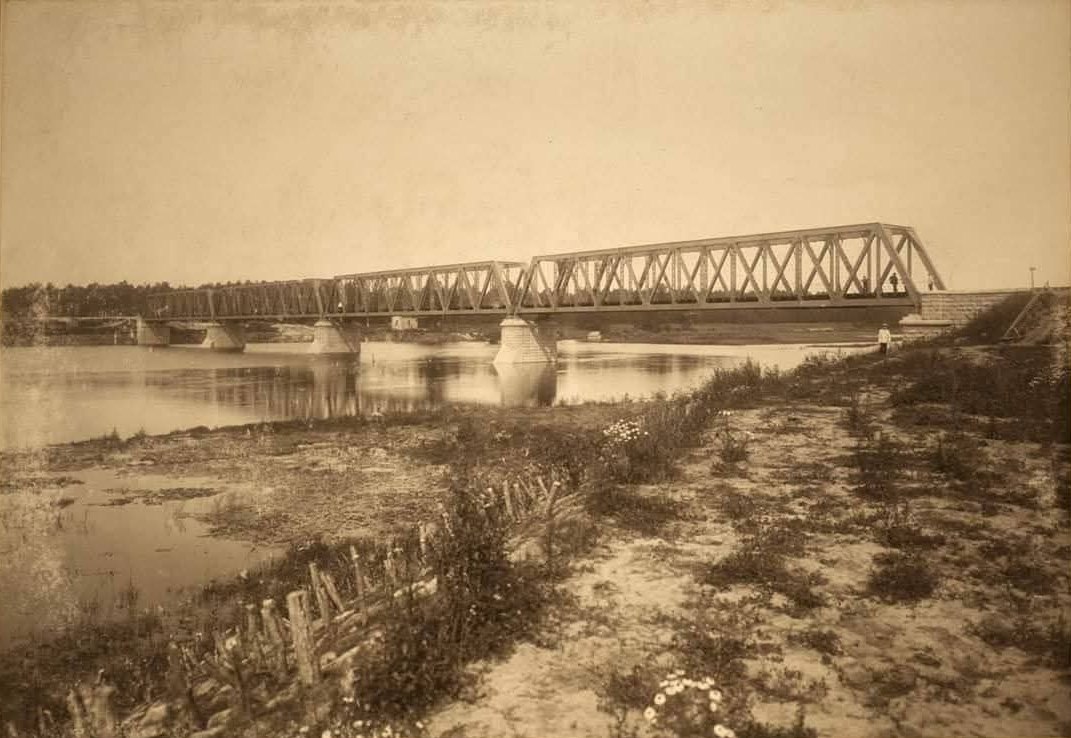
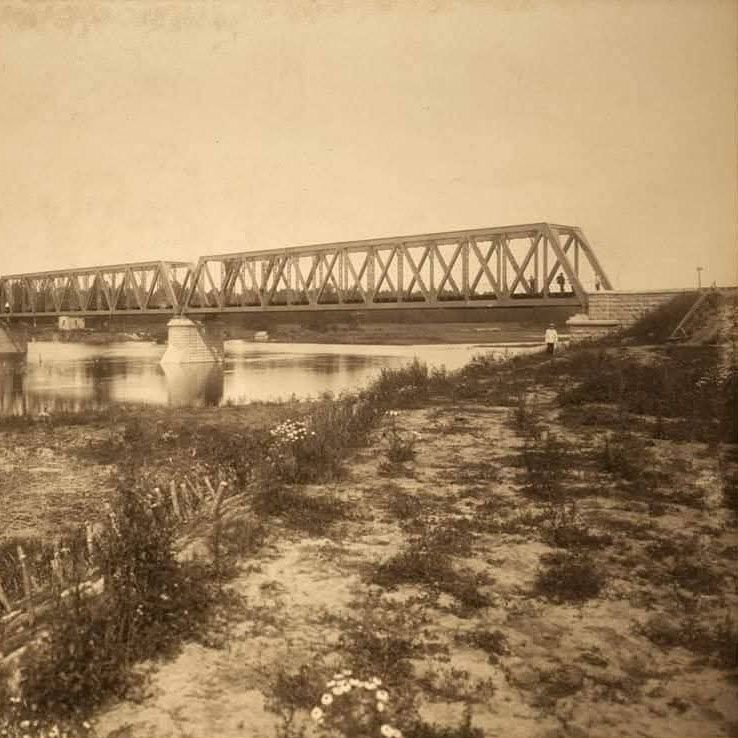
Photograph 2 shows the already completed part of the bridge, which in the first photograph was still under construction.
These images also clearly show the width of the Teteriv River at the beginning of the 20th century.
It is known that during the retreat of Soviet troops in the years of the Second World War, the railway bridge over the Teteriv River was destroyed or severely damaged. After the liberation of this territory, it was rebuilt.
Photograph 2 shows the already completed part of the bridge, which in the first photograph was still under construction.
These images also clearly show the width of the Teteriv River at the beginning of the 20th century.
It is known that during the retreat of Soviet troops in the years of the Second World War, the railway bridge over the Teteriv River was destroyed or severely damaged. After the liberation of this territory, it was rebuilt.